Why I Chose Phoenix(Elixir) for my next personal project? General Points
In this article I had gathered some information on why I chose Phoenix and why you should consider Phoenix for your startup or next big…

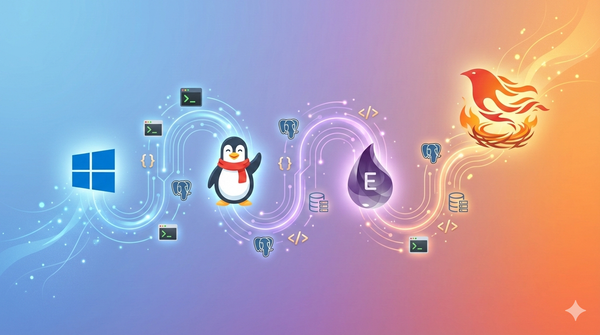
In this article I had gathered some information on why I chose Phoenix and why you should consider Phoenix for your startup or next big project if you want easy scalability and maintenance.
Phoenix Framework: A Startup’s Guide to Building Scalable Web Applications
As a small startup or side project owner, choosing the right web framework can feel like picking a needle out of a haystack. You want something that’s powerful enough to handle today’s needs, but also capable of scaling as your user base grows. Enter Phoenix: a web framework that’s making waves for its performance, scalability, and developer-friendly features. But what makes Phoenix special, and is it the right fit for your project? Let’s dive in.
What is Phoenix?
Phoenix is a web framework built on the Elixir programming language, which itself runs on the Erlang VM (BEAM) — a system known for its incredible concurrency, fault tolerance, and distributed computing capabilities. These are big words, but here’s what they mean in practical terms: Phoenix is designed to handle a lot of simultaneous users with minimal resources, making it a go-to choice for real-time applications and high-traffic websites.
Why Phoenix?
1. High Concurrency with Minimal Resources
Phoenix shines when it comes to handling a large number of concurrent users. Thanks to Elixir’s lightweight process model, a single Phoenix server can manage thousands — even millions — of simultaneous connections without breaking a sweat. This means you can start small but still be confident that your application can handle a surge in users without immediately needing a costly infrastructure overhaul.
2. Real-Time Communication
If your application needs real-time features — think chat apps, live dashboards, or collaborative tools — Phoenix has you covered. It includes Channels, a powerful feature that simplifies WebSockets and real-time messaging, allowing you to build interactive, real-time experiences without the usual headaches.
3. Fault Tolerance and Reliability
The Erlang VM is famous for its fault tolerance. Phoenix inherits this, making your application more resilient to crashes. If a part of your app goes down, the system can recover quickly, often without users even noticing. This reliability is crucial if you plan to scale your side project into a full-fledged business.
4. Developer Productivity
Phoenix embraces modern development practices, such as functional programming, which can result in more maintainable and bug-resistant code. It also has a fast development cycle, thanks to features like live reloading and a robust testing framework. This means you can move quickly from idea to execution — perfect for a startup environment where time is money.
Use Cases for Phoenix
1. Real-Time Applications
Phoenix is ideal for applications that require real-time updates, such as chat platforms, live sports updates, or collaborative editing tools. The built-in Channels feature makes it easy to implement these functionalities out of the box.
2. High-Traffic Websites
If you’re building a site that you expect to grow rapidly in traffic — like an e-commerce site, social network, or content-heavy platform — Phoenix’s ability to handle high concurrency with low resource usage makes it a strong contender.
3. APIs and Microservices
Phoenix can serve as a powerful back-end for APIs, especially in microservices architectures. Its performance and scalability ensure that your API can handle a growing number of requests as your application expands.
4. Prototypes with Potential
As a startup, you might begin with a prototype, but you need the flexibility to scale it into a full product without reworking your entire tech stack. Phoenix is a great choice for this scenario because it supports small beginnings while being capable of handling significant growth.
When to Consider Phoenix
1. You Expect to Scale
If you’re building something that has the potential to grow rapidly, Phoenix is worth considering. Its ability to handle high traffic with low overhead means you can start small but scale confidently.
2. Real-Time Features Are a Must
If your application needs real-time interaction — whether that’s live chat, notifications, or collaborative tools — Phoenix’s real-time capabilities are hard to beat.
3. You Value Reliability
For startups, reliability can be a make-or-break factor. Phoenix’s fault-tolerant nature means fewer outages and a more consistent user experience, which is vital as you grow.
4. You’re Open to Learning
Phoenix and Elixir are not as widely known as some other frameworks, so there’s a learning curve. But if you’re open to exploring new technologies, the benefits — especially for scalability — can be substantial.
Comparing Phoenix On Various Metrics

Based on Traffic Levels
Traffic Levels: Small, Medium, and Very High
The categorization of “small,” “medium,” and “very high” traffic can vary depending on the context, but generally:
- Small Traffic:
Requests per second (RPS): 10–1,000 RPS
Concurrent Users: A few hundred concurrent users.
Typical Use Case: Small business websites, personal blogs, or low-traffic internal applications. - Medium Traffic:
Requests per second (RPS): 1,000–10,000 RPS
Concurrent Users: Thousands of concurrent users.
Typical Use Case: Mid-sized applications, e-commerce platforms, SaaS applications. - Very High Traffic:
Requests per second (RPS): 10,000+ RPS (can go up to hundreds of thousands or more)
Concurrent Users: Tens of thousands to millions of concurrent users.
Typical Use Case: Large-scale social networks, major streaming platforms, or global e-commerce sites.
Phoenix’s Scalability Compared to Other Frameworks
Phoenix/Elixir:
- Concurrency Model: Phoenix is built on Elixir, which uses the BEAM VM. BEAM’s concurrency model (based on lightweight processes) allows Phoenix to handle a massive number of simultaneous connections with minimal resource usage.
- Traffic Tolerance Without External Tools:
Small Traffic: Phoenix can handle this comfortably on a single instance without any external tools.
Medium Traffic: Phoenix can still handle this on a single server, depending on the hardware and configuration. You might start considering horizontal scaling (multiple instances) at the higher end.
Very High Traffic: You’ll need to scale out to multiple Phoenix instances, use load balancers (like Nginx), and potentially integrate with tools like Kubernetes for orchestration and Kafka for event streaming. - Example: Phoenix is known to handle 2 million connections on a single server in some cases, thanks to its efficient concurrency model.
Other Backend Frameworks:
Node.js/Express:
- Concurrency Model: Uses a non-blocking, event-driven model, which is efficient for I/O operations but can become resource-intensive under heavy CPU-bound workloads.
- Traffic Tolerance Without External Tools:
Small Traffic: Handles this well, especially for I/O-bound tasks.
Medium Traffic: Likely to need horizontal scaling; a single Node.js instance might not handle the higher end of medium traffic as efficiently as Phoenix.
Very High Traffic: Requires load balancing, clustering, and possibly microservices architecture to handle very high traffic.
2. Ruby on Rails:
- Concurrency Model: Ruby on Rails traditionally uses a multithreaded model, but it’s not as efficient as Elixir’s BEAM for handling a massive number of concurrent connections.
- Traffic Tolerance Without External Tools:
Small Traffic: Can handle small to moderate loads on a single server.
Medium Traffic: Often requires scaling out with multiple instances and a load balancer at the medium level.
Very High Traffic: Rails applications typically need significant scaling with load balancers, database optimization, caching strategies, and external tools to manage very high traffic.
3. Django (Python):
- Concurrency Model: Uses a synchronous request/response cycle by default, but can be made asynchronous with certain configurations (e.g., using ASGI instead of WSGI).
- Traffic Tolerance Without External Tools:
Small Traffic: Can manage small traffic well.
Medium Traffic: Scaling out with multiple instances and using a load balancer becomes necessary as traffic increases.
Very High Traffic: Similar to Rails, Django requires significant infrastructure support (load balancers, caching, database optimization) to handle very high traffic.
When Phoenix Does Not Require External Tools
- Small to Medium Traffic: Phoenix can comfortably handle small to medium traffic (up to 50,000+ RPS) without any need for external load balancers, orchestration tools, or event streaming systems. Its efficient concurrency model, powered by the BEAM VM, allows it to manage hundreds of thousands of simultaneous connections on modest hardware. A single Phoenix instance on modern server hardware can handle what would typically require a cluster of traditional web framework instances.
- High Traffic: Between 50,000 and 100,000+ RPS, Phoenix can still operate effectively on a single high-performance server, especially for typical web requests. Phoenix’s architecture allows it to scale vertically very efficiently, with the ability to handle millions of lightweight processes simultaneously. At this level, you might consider horizontal scaling primarily for redundancy and fault tolerance rather than raw performance limitations. Adding a load balancer like Nginx provides benefits like zero-downtime deployments and traffic distribution across availability zones.
- Very High Traffic and Complex Architectures: Beyond 100,000+ RPS, or when dealing with computationally intensive operations, you’ll benefit from deploying multiple instances of Phoenix. This is where load balancers (e.g., Nginx, HAProxy), containerization (e.g., Docker), and orchestration (e.g., Kubernetes) become valuable. At this scale, tools like Kafka might be necessary not because of Phoenix’s limitations, but because of architectural requirements for distributed event processing, data streaming between microservices, or event sourcing patterns. The BEAM VM’s built-in distribution capabilities can often handle inter-node communication without requiring external message queues for many use cases.
Note: These numbers assume typical web requests. Phoenix’s actual capacity depends heavily on request complexity, database queries, and external API calls. For WebSocket connections, Phoenix has demonstrated the ability to handle 2+ million concurrent connections on a single server, showcasing the true power of the BEAM VM’s concurrency model.
Comparison Summary:
- Phoenix can handle much higher traffic on a single instance compared to frameworks like Node.js, Rails, or Django, due to its lightweight process model and efficient use of resources.
- Other Frameworks generally require external tools like Nginx, Docker, and Kubernetes at lower traffic levels than Phoenix, as they are not as efficient at managing high concurrency and large numbers of connections on their own.
- For Small to Medium Traffic, Phoenix might not need these external tools, whereas other frameworks might start to require them earlier in the scaling process.
In conclusion, Phoenix can handle higher traffic loads with fewer external tools compared to other backend frameworks, but once you reach very high traffic levels, you will still need tools like Nginx, Docker, and Kubernetes to manage the scale effectively.
Community and Ecosystem
One of the key factors to consider when adopting a new technology is the strength of its community and ecosystem. Phoenix, although newer compared to giants like Ruby on Rails or Django, benefits from a rapidly growing and enthusiastic community. This community has produced a wide range of libraries and tools that can extend the capabilities of Phoenix, making it easier to add features like authentication, payments, or background processing.

Why This Matters:
- Support: A vibrant community means more resources, tutorials, and forums where you can get help when you run into issues.
- Third-Party Libraries: Phoenix has a rich set of third-party libraries (often referred to as packages or dependencies in Elixir) that can save you time by providing pre-built solutions for common needs.
- Continuous Improvement: An active community often drives continuous improvement, ensuring that the framework evolves with the latest trends and best practices in web development.
Example:
- The Hex package manager for Elixir makes it easy to find and integrate libraries, such as Pow for authentication, Absinthe for GraphQL APIs, or Oban for job processing.
Security Considerations
Security is a top concern for any web application, especially as your project scales and starts handling more sensitive data. Phoenix is designed with security in mind, offering several built-in features that help protect your application from common vulnerabilities.

Key Security Features:
- Cross-Site Request Forgery (CSRF) Protection: Phoenix has built-in CSRF protection mechanisms to prevent unauthorized actions on your web application.
- Cross-Site Scripting (XSS) Mitigation: Phoenix’s templating engine, EEx, automatically escapes HTML, reducing the risk of XSS attacks.
- Parameterized Queries: When working with databases, Phoenix uses parameterized queries by default, protecting against SQL injection attacks.
Why This Matters:
- Data Protection: As your application scales, it will handle more user data, making security breaches more damaging. Phoenix’s built-in security helps protect your users and your reputation.
- Compliance: Meeting security standards is crucial for compliance with regulations like GDPR, HIPAA, or PCI-DSS. Phoenix’s features can help you meet these requirements.
Maintenance and Long-Term Support
When choosing a framework, it’s important to consider the long-term maintenance and support aspects. Phoenix, built on the Elixir language, benefits from the stability and reliability of the Erlang VM, which has been in use for decades in telecom and other industries where reliability is crucial.
Long-Term Viability:
- Stable Ecosystem: The Erlang VM is mature, battle-tested, and designed for long-running systems, meaning Phoenix inherits a lot of stability and reliability.
- Backward Compatibility: Elixir, the language behind Phoenix, emphasizes backward compatibility, reducing the risk of breaking changes in future updates.
- Active Development: Phoenix is under active development, with regular updates that add new features and improve performance without sacrificing stability.
Why This Matters:
- Cost of Upgrades: Minimal breaking changes mean lower maintenance costs when upgrading to new versions of Phoenix or Elixir.
- Reliability: With its roots in the Erlang VM, Phoenix is inherently reliable, making it a good choice for applications where uptime is critical.
- Longevity: You want to invest in a technology that will be around and supported for years to come, and Phoenix’s strong foundations suggest that it will have staying power.
Ease of Hiring or Developer Availability
One of the potential challenges of adopting a newer or less mainstream technology is the availability of skilled developers. While Elixir and Phoenix are gaining popularity, they are not as widely known as languages like JavaScript, Python, or Ruby.
Hiring Considerations:
- Learning Curve: While Elixir is a relatively easy language to learn, especially for developers familiar with functional programming, there is still a learning curve. This might make it harder to find developers who are immediately productive in Elixir and Phoenix.
- Growing Talent Pool: The Elixir community is growing, and more developers are learning the language, but it may still be more difficult and potentially more expensive to hire Elixir developers compared to more mainstream languages.
- Internal Training: If you already have a team of developers, you might need to invest in training them to become proficient with Elixir and Phoenix. However, this can pay off in the long run due to the productivity and performance gains Phoenix offers.
Why This Matters:
- Team Growth: As your startup grows, you’ll need to expand your development team. Ensuring you can find or train skilled developers in Phoenix is crucial for your long-term plans.
- Cost Implications: If Elixir developers are harder to find, they might command higher salaries. This is something to factor into your budget planning.
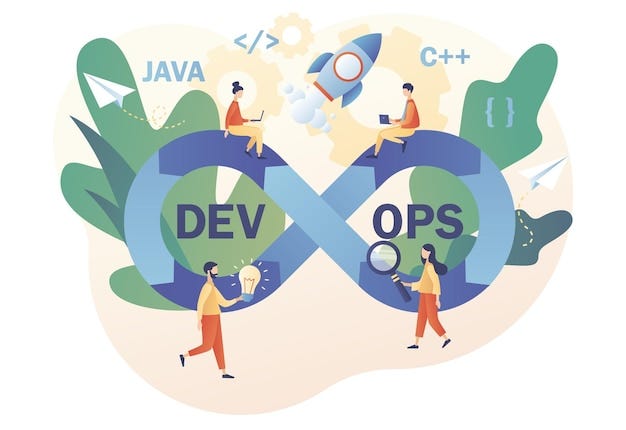
Deployment and DevOps Considerations
For startups, ease of deployment and ongoing DevOps support are crucial factors when choosing a tech stack. Phoenix offers several advantages in this area, but it’s important to understand what’s involved in deploying and maintaining Phoenix applications.
Deployment Strategies:
- Hosting Options: Phoenix can be deployed on traditional servers, cloud platforms (like AWS, Google Cloud, or Azure), or Platform-as-a-Service providers like Gigalixir, which is designed specifically for Elixir applications.
- CI/CD Pipelines: Phoenix integrates well with CI/CD tools like CircleCI, GitHub Actions, or Jenkins, allowing you to automate testing, building, and deployment processes.
- Containerization: Phoenix works seamlessly with Docker, making it easy to containerize your application for consistent deployments across different environments.
DevOps Tools:
- Monitoring and Logging: Tools like Prometheus, Grafana, and LogDNA can be integrated to monitor your Phoenix application’s performance and health in production.
- Scaling with Kubernetes: For very high traffic scenarios, you can use Kubernetes to manage and scale your Phoenix application across multiple instances.
Why This Matters:
- Operational Efficiency: Streamlined deployment processes mean you can push updates faster, reducing downtime and improving your time-to-market.
- Scalability: As your application grows, having a clear path for scaling with tools like Kubernetes will help you manage increased traffic without major headaches.
- Cost Management: Efficient deployment and scaling practices can help you control infrastructure costs as you scale.
Cost Comparisons
Cost is a critical consideration for any startup, and the choice of a web framework can have significant implications for both development and operational expenses.

Development Costs:
- Learning and Onboarding: There may be higher initial costs if your team is unfamiliar with Elixir/Phoenix, due to the time required for training. However, Phoenix’s productivity features can reduce long-term development costs.
- Fewer Servers Needed: Phoenix’s efficiency can translate into lower infrastructure costs, as it can handle more traffic on less hardware compared to some other frameworks.
Operational Costs:
- Infrastructure Savings: Because Phoenix is efficient with resources, you may need fewer servers to handle the same amount of traffic, leading to lower cloud hosting bills.
- Lower Maintenance Costs: Phoenix’s reliability means you might spend less time and money dealing with bugs, crashes, or performance issues.
Why This Matters:
- Budget Planning: Understanding the cost implications of using Phoenix helps you plan your budget more effectively, balancing short-term investments with long-term savings.
- Scalability Costs: As you scale, the cost differences between frameworks can become more pronounced, so knowing how Phoenix compares can inform your growth strategy.
When Phoenix Might Not Be the Best Fit
1. Simple Projects with No Growth Expectations
If your project is simple and unlikely to need scaling — like a basic blog or a static website — you might not need the power of Phoenix. Simpler frameworks might suffice.
2. Existing Ecosystem Constraints
If your team is already deeply invested in another technology stack (e.g., JavaScript with Node.js, Ruby on Rails), and switching would be too disruptive, it might make sense to stick with what you know.
3. Lack of Elixir Expertise
While Phoenix is great, it’s built on Elixir — a language that’s still growing in popularity. If your team doesn’t have Elixir experience and isn’t open to learning it, Phoenix might not be the best immediate fit.
Final Thoughts

Phoenix is a powerful, scalable, and developer-friendly framework that can be an excellent choice for startups and side projects with growth potential. It offers the right mix of performance, real-time capabilities, and reliability, making it an attractive option for applications that need to start small but have the potential to scale big. However, like any tool, it’s important to evaluate your specific needs and constraints before diving in.
For startups and side project owners, Phoenix represents not just a tool for today, but a robust foundation for the future. Whether you’re building the next big social app, an innovative real-time service, or simply a high-traffic website, Phoenix has the capabilities to grow with you, making it a worthy contender in your tech stack.
Important Links :
Elixir Lang: https://elixir-lang.org/
Phoenix: https://hexdocs.pm/phoenix/overview.html
Official Community Discord : https://discord.gg/GsHzWuQk
Official YouTube Channel: https://www.youtube.com/@ElixirConf
Elixir Programming Course(freecodecamp) : https://youtu.be/IiIgm_yaoOA?si=LI02iDKmy-1uok-A
Support Me: