My Sunlight Reminder App for Better Health
Many people, especially those with vitamin D deficiency, forget to get sunlight during the day.
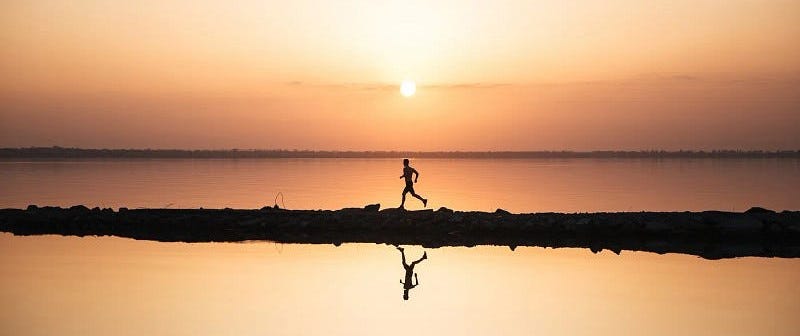
Many people, especially those with vitamin D deficiency, forget to get sunlight during the day.
Sunlight is critical for vitamin D synthesis, which supports bone health, immunity, and mood. Missing daily exposure (especially in winter or for office workers) can worsen deficiencies.
How It Works
- GPS-Based Sunset Alerts:
The app uses your location to calculate local sunset time.
Sends a notification (e.g., “Sun sets in 1 hour! Time to get 15 mins of sunlight.”). - Customizable Reminders:
Let users set a daily “sunlight goal” (e.g., 10–30 minutes).
Adjust reminder timing (e.g., 1 hour before sunset or at lunchtime). - Progress Tracking:
Log sunlight exposure manually or via weather API (e.g., “It’s sunny today—did you go outside?”).
Weekly summaries showing progress toward vitamin D goals.
Key Features (Single Focus)
- Minimalist Design: No clutter—just sunset times, reminders, and a progress bar.
- Passive Tracking: Uses weather data to nudge users on sunny days (e.g., “Perfect weather for sunlight!”).
- Educational Tips: Short, science-backed notes about vitamin D benefits (e.g., “Did you know? 10 minutes of sun = 1,000 IU of vitamin D!".
Why People Need This
- Vitamin D Deficiency: Affects ~1 billion people globally (source).
- Modern Lifestyles: Office workers, night-shift employees, and gamers often miss the daytime sun.
- Seasonal Depression: Lack of sunlight worsens conditions like SAD (Seasonal Affective Disorder).
Validation Steps
- Survey Niche Communities:
Post in subreddits like r/VitaminD, r/Supplements, or r/Health.
Ask: “Would you use an app that reminds you to catch sunlight before sunset?” - MVP with No-Code Tools:
Build a basic version using Glide or Adalo (send SMS reminders via Zapier). - Partner with Influencers:
Reach out to wellness bloggers or nutritionists to promote the app.
Existing Apps
A few apps tackle sunlight tracking or vitamin D reminders, but most are either too broad, lack focus, or haven’t captured the niche effectively. Here’s a breakdown of existing solutions and gaps your app could fill:
- Dminder
What it does: Tracks sun exposure for vitamin D synthesis based on location, skin type, and UV index.
Gaps: Overly technical (requires inputting skin tone, SPF, etc.). No proactive sunset reminders. - MyCircadianClock
Focuses on circadian rhythm health, including light exposure.
Gaps: Not vitamin D-specific; no sunset alerts. - Sun Surveyor
For photographers to track sun/moon positions.
Gaps: No health-focused features or reminders. - General Reminder Apps (e.g., Google Calendar, Todoist)
Users can manually set reminders like “Go outside.”
Gaps: Not automated or tied to sunset data. - Mental Health Apps (e.g., F.lux, Twilight)
Adjust screen temperature based on sunset.
Gaps: Focus on screen usage, not sunlight exposure.
How to Differentiate
Sunset Alerts
Auto-generated, no setup needed.
Competitor: Manual reminders (Google Calendar).
Vitamin D Focus
Tied to health outcomes (not just weather).
Competitor: Generic sun-tracking (Sun Surveyor).
Simplicity
Open app → set reminder → done.
Competitor: Requires skin type/SPF input (Dminder).
Competitive Edge
- Hyper-Specific: Unlike general health apps, this solves one problem deeply.
- Passive Use: Requires minimal user input (set it and forget it).
- Science-backed: Cite studies about sunlight/vitamin D to build trust.
Technical Implementation
- Sunset Time API: Use free APIs like Sunrise-Sunset to fetch location-based sunset times.
- Push Notifications: Firebase Cloud Messaging (FCM) for Android or APNs for iOS.
- Weather Integration: Pull cloud-cover data from OpenWeatherMap to suggest optimal sunlight hours.
Challenges
- Weather Dependency: Users in cloudy regions might find the app less useful.
- User Retention: Reminder apps often get uninstalled after initial curiosity.
- Fix: Add gamification (streaks, badges) or integrate with Apple Health/Google Fit.
Monetization

- Freemium Model:
Free: Basic sunset alerts + 3 manual logs per week.
Premium ($2/month): Unlimited logs, detailed analytics, and custom reminders. - Affiliate Partnerships:
Promote vitamin D supplements (e.g., Amazon affiliate links).
Partner with wellness brands for sponsored content.
Marketing Ideas
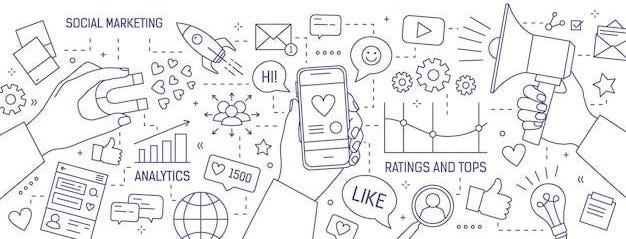
- Target Cold Climates: Advertise in regions with long winters (e.g., Scandinavia, Canada).
- Collaborate with Doctors: Offer the app as a tool for patients with vitamin D prescriptions.
- Social Proof: Share testimonials like “This app helped me fix my vitamin D deficiency!”
Marketing Channels
- Subreddits: r/VitaminD (23k+ members), r/Supplements, r/EOOD (Exercise Out of Depression).
- Health Forums: PatientsLikeMe, HealthUnlocked.
- Influencers: Wellness TikTokers/YouTubers (e.g., @healthwithkelly).
Why Your App Can Stand Out
- Single-Feature Focus:
Most apps bury sunlight tracking under other features (e.g., sleep, nutrition). Your app would only solve the “forgot to get sunlight” problem. - Passive Automation:
Instead of requiring manual input (like Dminder), use GPS + sunset APIs to send automatic, location-based nudges. - Vitamin D Education:
Add bite-sized, science-backed tips (e.g., “Morning sun boosts serotonin!”) to build authority. - Partnerships
Collaborate with vitamin D supplement brands (e.g., Nordic Naturals) or UV lamp companies for affiliate revenue.
Final Take
While apps like Dminder and MyCircadianClock exist, none own the “sunset reminder for vitamin D” niche. By focusing on simplicity, automation, and education, your app could carve out a loyal user base—especially among:
- Office workers with limited outdoor time.
- People in northern latitudes (e.g., Scandinavia, Canada).
- Individuals recovering from vitamin D deficiency.
This app is simple to build but has strong potential in the health/wellness niche. Start with a free version to gather user feedback, then upsell premium features. If you nail the UX and marketing, it could become a must-have for health-conscious users! 🌞
Next Step: Build a no-code MVP (e.g., Glide Apps) to test demand, then invest in a Flutter/Rust-native app if validation succeeds! 🌞
Support Me: