Bridging Real-Time System Data with Next-Gen AI-LLMs with Function Calling.
LLM models are inherently static — they lack real-time awareness of device conditions such as battery life, thermal status, CPU/GPU usage…

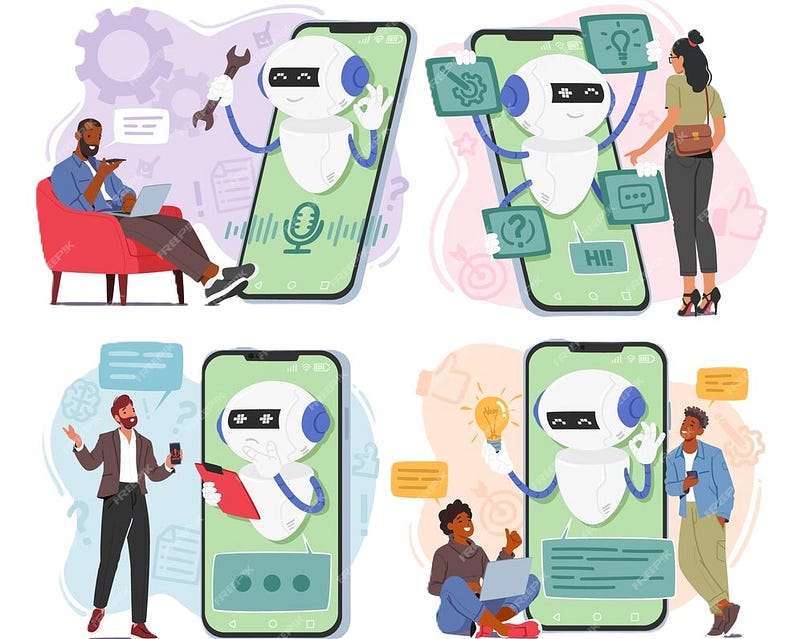
Bridging Real-Time System Data with Next-Gen AI-LLMs With Function Calling
LLM models are inherently static — they lack real-time awareness of device conditions such as battery life, thermal status, CPU/GPU usage, location, sensor data, and more.
This project aims to fill this gap by developing a platform that exposes system-level data through secure, developer-friendly APIs locally or to external sources.
Background
In today’s increasingly connected world, powerful large language models (LLMs) like ChatGPT have transformed how we interact with technology and information.
LLMs have rapidly evolved into indispensable tools for personal assistants, customer service, and creative content generation.
Despite this progress, LLMs are limited by the data they were trained on — they cannot fetch live, device-specific metrics or contextual system information to perform real-time analysis.
This gap leads to several challenges:
- Lack of Contextual Awareness: LLMs cannot adjust their responses based on the device’s current state (e.g., battery level, performance bottlenecks, or location-based context).
- Missed Opportunities for Automation: Critical system events (such as high CPU usage or elevated device temperature) often require immediate automated actions, which current LLM integrations cannot trigger.
- Inefficient Resource Management: Without real-time data, users and developers miss out on opportunities for optimized resource allocation and proactive device management.
- Limited Integration Between Hardware and Software: Existing automation platforms (like IFTTT) focus primarily on cloud services, neglecting the rich, untapped potential of on-device data.
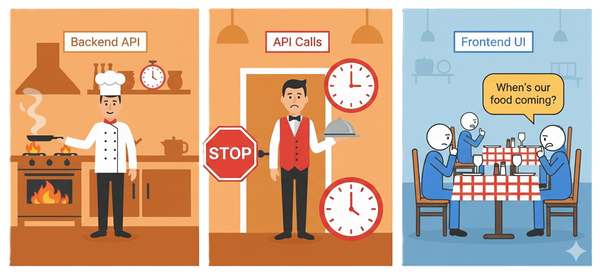
With features like Function Calling now emerging (e.g., in ChatGPT and DeepSeek), LLMs can interact with external APIs to retrieve fresh data and perform real-world tasks and analysis.
Credit: Henrik Kniberd
By enabling LLMs to call these functions/apis in real time, our solution will deliver context-aware insights and dynamic automation capabilities that empower both end users and developers to use llm for broader usecases.
Proposed Solution: The System Data API Platform
Our solution is a platform that exposes real-time system-level data through a set of secure, easy-to-integrate APIs.
By creating a unified API that securely exposes these data points, we provide a way for developers and AI models to build more intelligent, context-aware applications that react in real time.
The platform’s key innovation is its ability to serve as a middleware between devices and intelligent systems, enabling LLMs and third-party applications to query live data and trigger automated responses.
Key Features
Comprehensive Data Access:
- Performance Metrics: Real-time CPU, GPU, memory, and network usage.
- Environmental Sensors: Thermal readings, light sensor data, and ambient conditions.
- User-Centric Information: Battery status, location data, and multimedia feeds.
- Security & Diagnostics: Alerts for unusual activity, connectivity issues, and hardware diagnostics.
Developer-Friendly API:
- RESTful endpoints and WebSocket streams for real-time data.
- Detailed documentation and SDKs for multiple languages (Python, JavaScript, Dart, etc.).
- Secure authentication (OAuth, API keys) and granular permission management.
Seamless LLM Integration:
- Support for function calling, allowing LLMs (e.g., ChatGPT) to request system data in a structured JSON format.
- Customizable triggers for real-time automation, enabling context-aware responses.
Privacy & Security:
- User-first design with explicit permissions and data encryption.
- Local data processing options to ensure sensitive data remains on the device when needed.
Use Cases & Applications
Enhanced Personal Assistants
Scenario: A user asks, “Will my phone last through this meeting?”
How It Works:
- The LLM calls our API to retrieve battery data and historical usage patterns.
- It provides a customized recommendation on whether to enable battery saver mode or postpone non-essential tasks.
Proactive Device Management
Scenario: A device overheating during intensive tasks.
How It Works:
- The API detects high thermal readings.
- An automated function call triggers cooling actions, such as reducing CPU performance or alerting the user.
Context-Aware Automation in IoT
Scenario: A smart home setup adjusting environmental settings.
How It Works:
- The system uses sensor data (ambient light, temperature) to optimize home lighting and HVAC systems.
- The LLM orchestrates these changes dynamically based on real-time data.
Enterprise Device Monitoring
- Scenario: IT admins need to monitor hundreds of devices in real time.
How It Works: - Our platform aggregates system-level data across devices.
- It provides dashboards and alerts for performance bottlenecks, security issues, and resource optimization.

Market Analysis & Target Audience
Target Audience
- Developers and Startups: Companies building next-generation apps that integrate AI and real-time data.
- Enterprise Clients: Organizations seeking to improve device management, diagnostics, and operational efficiency.
- Tech Enthusiasts: Early adopters interested in DIY projects and smart automation.
- IoT Innovators: Businesses developing smart home, industrial IoT, and connected device solutions.
Market Opportunity
- Smart Device Users: Consumers increasingly demand personalized, context-aware experiences. Our platform can empower mobile and desktop apps to offer features like adaptive performance management and proactive diagnostics.
- Enterprise IT & Device Management: Businesses managing large fleets of devices (e.g., in retail, healthcare, or logistics) can benefit from real-time monitoring and automated resource management.
- Developer Ecosystem: With an ever-growing interest in IoT and AI, developers are looking for platforms that bridge the gap between hardware data and intelligent software.
- IoT & Smart Home Automation: Integrating real-time system data can enhance home automation platforms, allowing devices to respond dynamically to environmental changes.
Technology Architecture & Implementation

System Architecture
Data Collection Layer
- Device Agents: Lightweight agents/app-processes running on devices (mobile, desktop) that collect sensor and system data using platform-specific APIs.
- Local Processing: Where possible, data is processed on-device to ensure speed and privacy.
API Gateway & Middleware
- RESTful APIs and WebSocket Streams: Expose data to third-party applications and LLMs via localhost server.
- Function Calling Support: Structured endpoints that support JSON-based function calls for dynamic integration with LLMs.
- Security & Authentication: OAuth 2.0, API keys, and fine-grained access controls.
Integration Layer
- SDKs and Libraries: Provide developers with tools to easily integrate the API into their apps.
- Dashboard & Analytics: A web portal for monitoring API usage, managing device data, and configuring permissions.
Implementation Roadmap
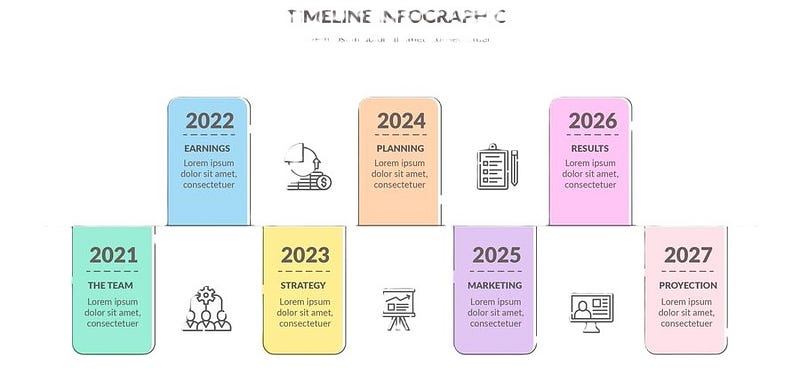
Phase 1: MVP Development
- Build core agents/app for Android (with plans for iOS and desktop).
- Develop a basic API gateway with endpoints for key metrics (battery, CPU, location).
- Integrate with a prototype LLM function calling example (e.g., ChatGPT).
Phase 2: Feature Expansion
- Extend data collection to include environmental sensors (thermal, light and other system data).
- Develop SDKs for major languages and platforms.
- Enhance security features and user control interfaces.
Phase 3: Market Launch & Partnerships
- Launch beta programs with early adopters and enterprise partners.
- Integrate with popular automation platforms (e.g., IFTTT, Zapier) and IoT ecosystems.
- Gather feedback and iterate on product features.
Competitive Landscape & Differentiation
Existing Solutions
- IFTTT and Zapier: Offer cloud-based automation but lack direct integration with system-level data.
- Device Monitoring Apps: Tools like CPU-Z, AIDA64, and proprietary manufacturer apps provide metrics but do not offer APIs for integration.
- LLM Function Calling: While ChatGPT and DeepSeek support function calling, they rely on external APIs to supply real-time data — currently an untapped niche.
Our Differentiators
- Real-Time, System-Level Data: We provide an API that exposes data points traditionally locked within the device’s operating system.
- Seamless LLM Integration: Our platform is designed with modern AI integrations in mind, enabling dynamic function calling and context-aware automation.
- Security & User Control: Our solution emphasizes user privacy with opt-in data sharing and local processing capabilities.
- Cross-Platform Reach: Initially targeting mobile (Android and iOS) with potential expansion to desktops and IoT devices.
Business Model & Monetization Strategy

Revenue Streams
Freemium Model:
- A basic free tier offering limited API calls and data points.
- Premium subscriptions with advanced metrics, real-time analytics, and enterprise-level integrations.
Usage-Based Pricing:
- Charge based on API calls, data volume, or number of connected devices — ideal for enterprise clients.
Partnerships & Licensing:
- Collaborate with device manufacturers, IoT platforms, and automation services to license our technology.
- White-label solutions for large-scale deployments.
Developer Ecosystem:
- Monetize via SDKs, developer support packages, and integrations with popular automation platforms (IFTTT, Zapier, etc.).
Market Adoption Strategy
- Early Adopters: Engage with tech enthusiasts, developers, and startup communities.
- Enterprise Outreach: Build case studies and pilot programs with enterprise IT departments.
- Partnerships: Form strategic alliances with IoT and smart home companies, as well as major cloud platforms.
Potential Partnerships
- LLM Providers: Collaborate with OpenAI and DeepSeek to ensure seamless function calling integrations.
- Device Manufacturers: Integrate with OEMs for pre-installed monitoring agents.
- IoT Platforms: Partner with Home Assistant, Samsung SmartThings, and similar platforms to extend our API’s reach.
- Enterprise IT Vendors: Work with companies specializing in device management and network security.
Challenges & Risk Mitigation
Key Challenges
- Privacy & Security: Exposing system-level data demands strict security protocols and transparent user consent.
- Platform Limitations: Different operating systems (especially iOS) may restrict background data access.
- Performance Overhead: Continuous data collection might impact device performance if not optimized.
- Market Adoption: Convincing developers and enterprises to adopt a new platform requires clear value propositions and robust support.
Mitigation Strategies
- Robust Security Architecture: Implement state-of-the-art encryption, secure authentication, and strict access controls.
- Optimization: Develop lightweight agents that minimize performance impact while collecting high-fidelity data.
- Pilot Programs: Launch targeted pilot programs to demonstrate real-world benefits and gather feedback.
- Transparent Communication: Build trust by being clear about data usage, privacy policies, and user controls.
Conclusion
Our proposed platform represents a paradigm shift in how system-level data is leveraged to enhance intelligent automation and real-time decision-making.
By exposing critical device metrics through secure, developer-friendly APIs, we enable LLMs to provide context-aware, actionable insights that traditional cloud-only solutions cannot match. This innovative approach not only addresses current limitations in LLM function calling but also opens up a wealth of opportunities in smart device management, IoT, enterprise monitoring, and beyond.
The vision is clear: a future where your devices communicate their state in real time, empowering AI to respond dynamically and intelligently. With a dedicated team, a robust roadmap, and a strong market need, our startup is poised to become the bridge between hardware data and next-generation intelligent automation.
We invite you to join us on this journey to revolutionize the interaction between our devices and the intelligent systems that power our lives. Let’s build a smarter, more responsive future together.
Would you like to discuss next steps, refine any details, or explore potential partnerships? Your feedback and insights will be invaluable as we move forward with this exciting opportunity.
Support Me: