FeedFlow: Local-First RSS Feed Aggregator and Reader— Detailed Project Plan
Combining traditional RSS feed capabilities with social media-inspired interfaces like Instagram and TikTok and advanced AI-driven…

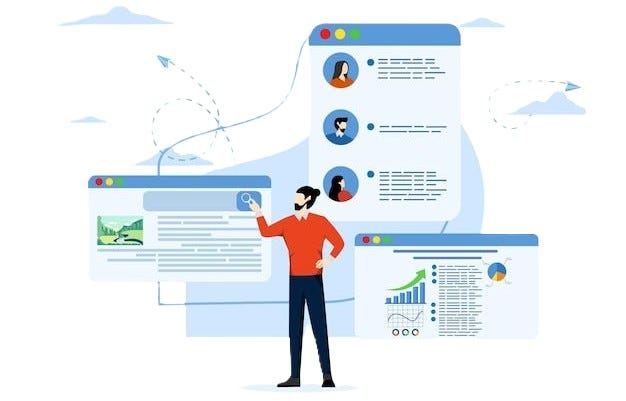
From Today I started Building The FeedFlow App - an innovative mobile application designed to provide users with a modern, engaging, and privacy-first digital content aggregation experience.
Combining traditional RSS feed capabilities with social-media-inspired interfaces like Instagram and Tiktok and advanced AI-driven features (such as fact-checking and duplicate detection), the app delivers a seamless reading experience that works both online and offline.
Its dual-engine design supports non-premium users with a robust on-device feed fetching and parsing engine, while premium users enjoy enhanced cloud-based functionalities, personalized sync, and additional AI insights.
This is part of a series FeedFlow: RSS Aggregator Project Building Journey.
You can bookmark the storylist and subscribe to my email newsletter to get the new tutorials as soon as they arrive and it will help me connect better with you.
Vision
To redefine news and content aggregation by creating a highly customizable, privacy-respecting, and offline-capable app that leverages modern UI paradigms and AI technology, catering to a diverse audience of news enthusiasts, privacy-conscious users, and digital natives.
What is RSS Feed? Video Credit-Growth Origins (YouTube)
Key Objectives
- Centralized Updates:
Users can view the latest updates from multiple websites in one place without visiting each site individually.
Quickly browse through new articles from various sources, saving time and effort. - Personalized Content:
Users can choose which feeds to follow, tailoring their news and updates to their specific interests.
Organize feeds into categories or collections, making content management easy and efficient. - Modern User Experience:
Offer an engaging, visually appealing interface inspired by popular social media platforms (Instagram, TikTok) with multiple feed layout options and a distraction-free reading mode. - AI-Powered Enhancements:
Integrate AI for real-time fact-checking, duplicate news detection, and smart content curation. - Privacy & Offline Capability:
Deliver a local-first experience ensuring that data remains on-device for non-premium users, with full offline accessibility. - Discoverability:
Discover related articles or content that might not have been found by just visiting a website.
Curate and share collections of articles with other users. - Enhanced User Experience:
Feeds provide summaries or excerpts, allowing users to get a quick overview before reading the full article.
Integrate images, videos, and other media from feeds for a richer content experience. - Scalable Monetization:
Implement a flexible revenue model that includes ad-supported free usage (with rewards for engagement) and a premium, ad-free subscription service. - Seamless Sync & Cross-Platform Access:
Provide premium users with cloud-based synchronization, allowing them to access their customized feeds across devices.
Detailed Feature Requirements
A. User Account & Privacy Options
- Anonymous Browsing:
Allow users to browse feeds without account creation, ensuring immediate access. - Optional Sign-Up:
Enable account creation for those who desire remote storage, cross-device sync, and enhanced personalization. - Ad Customization & Rewards:
Let free users choose which ad formats (in-feed, video, etc.) they see, with an option to earn ad-free days through engagement. - Privacy First:
Prioritize local data storage by default. Unregistered users can export and manage their RSS URLs locally, ensuring maximum data control.
B. RSS Feed Management (CRUD)
- Complete CRUD Operations:
Users can add, update, and delete RSS links with custom metadata (e.g., name, description, fetch frequency). - Import/Export Functionality:
For privacy-focused users, provide the option to export their RSS feed lists, ensuring data portability and transparency.
C. Feed Fetching and Processing Engine
1. Local Engine
- On-Device Processing:
A dedicated engine fetches and parses RSS feeds directly on the device. - Privacy and Performance:
Ensures minimal data sharing and high responsiveness. - Resource Optimization:
Uses OS-level background tasks and efficient parsing algorithms to conserve battery and processing power. - Offline Access:
Stores feeds in a local database (e.g., SQLite, Hive) so content remains accessible without an internet connection.
2. Cloud-Based Enhancements (Premium Users)
- Remote Feed Processing:
Premium users can benefit from advanced cloud-based feed fetching that includes: - Enhanced AI Integration:
Offers fact-checking, duplicate detection, and enriched metadata. - Cross-Device Sync:
Maintains up-to-date feeds across multiple devices. - Hybrid Fallback:
In cases of connectivity issues, the system automatically reverts to the local engine for uninterrupted access.
D. User Interface and Experience
- Modern, Social Feed Layouts:
Inspired by platforms like Instagram and TikTok, offering diverse layout options. - Reading Mode:
A distraction-free mode designed for prolonged reading, with customizable font sizes, themes, and layouts. - Interactive and Customizable:
Smooth scrolling, swipe actions, and customizable settings (themes, layout options, refresh rates).
E. Ad Management and Monetization
- Ad-Supported Model for Free Users:
Integrate in-feed ads, video ads, and interactive ad placements. - Reward-Based Monetization:
Users can earn ad-free periods by engaging with ads. - Premium Subscription:
Offer an ad-free experience with additional benefits like enhanced AI-driven insights and cloud sync. - Potential Data Partnerships:
Explore partnerships for targeted content distribution and syndicated feeds.
Technical Architecture
A. Frontend (Mobile App)
- Framework:
Flutter for cross-platform development (iOS, Android). - State Management:
Utilize providers, Riverpod, or Bloc for efficient state management. - Local Storage:
Implement local databases (Hive, Isar) to support offline-first functionality. - On-Device Processing:
A dedicated engine fetches and parses RSS feeds directly on the device. This supports: - UI/UX Libraries:
Integrate material design components with custom animations and modern gesture handling.
B. Backend & Cloud Services
- API Layer:
RESTful or GraphQL APIs for account management, remote syncing, and feed processing for premium users. - Cloud Database:
Options such as Firebase Firestore, AWS DynamoDB, or PostgreSQL to store user data and feed metadata.
But I will probably use PostgreSQL with AWS or GCP. - Feed Parsing Microservice:
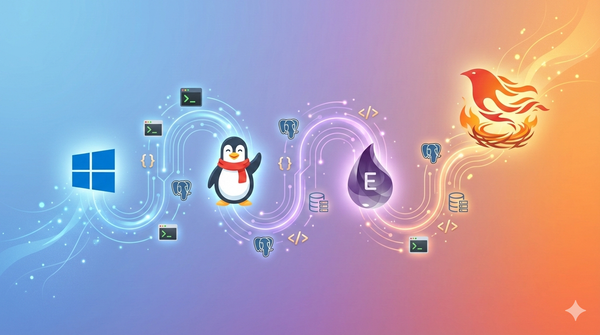
A microservice (using Phoenix) for RSS feed fetching, parsing, and AI processing. - AI Integration:
Leverage third-party AI services or develop proprietary algorithms for fact-checking and duplicate detection. - Push Notifications:
Use Firebase Cloud Messaging (FCM) or native notification services to alert users about new or breaking news and availability of new feeds.
C. CI/CD and DevOps
- Version Control:
Git with GitHub or GitLab for source management. - CI/CD Pipelines:
Automate testing, building, and deployments using GitHub Actions, GitLab CI, or Jenkins. - Testing Strategy:
Implement unit, integration, and UI tests (using Flutter’s testing framework) for robust quality assurance. - Deployment:
Containerize backend services with Docker; orchestrate using Kubernetes or serverless deployments for the initial phase Phoenix can handle such loads by default. - Monitoring & Analytics:
Integrate tools like Sentry for crash reporting, Firebase Analytics for user behavior tracking, and performance monitoring solutions.
Revenue Model
- Ad-Supported Free Tier:
Monetize through in-feed, video, and interactive ads. Reward users by providing ad-free periods based on ad engagement.
This will be my primary source of revenue as Rewarded Video Ads have and average CPM of 20$ and I am targetting and audience around 10k so my daily revenue can be For 50% daily users.
10000*0.5*(20/1000) ~= 100$/day.
You can read related article here.
- Premium Subscriptions:
Offer an ad-free experience with additional features like cloud sync, enhanced AI insights, and exclusive content. - Data & Content Partnerships:
Explore syndication deals, sponsored content, and targeted advertising partnerships with news outlets and content creators. This will depend on privacy and user feedback. - Future Monetization Avenues:
Consider community features, e-commerce integrations, or additional media types (e.g., podcasts) to further diversify revenue streams.
Market Potential and User Benefits
Market Potential
- Growing Demand for Privacy & Offline Functionality:
With increasing concerns over data privacy and connectivity issues in certain regions, a local-first approach addresses a significant market need. citeturn0search0 - Broad Appeal Through Modern Design:
The blend of social media-inspired interfaces with traditional RSS capabilities opens the door for both tech-savvy users and mainstream audiences. citeturn0search1 - Sustainable Monetization:
The dual revenue model (ads for free users and subscriptions for premium users) ensures long-term financial viability while offering flexibility to users. citeturn0search2
User Benefits
- Privacy and Data Control:
Non-premium users enjoy full offline access and data remains on-device, protecting their privacy. - Engaging Reading Experience:
The modern, customizable UI with distraction-free reading modes makes content consumption more enjoyable and efficient. - AI-Enhanced Content Curation:
Users receive cleaner feeds, with redundant content filtered out and important news highlighted via AI. - Flexibility and Customization:
With complete control over RSS feed management, fetch frequency, and ad preferences, users can tailor the app to their specific needs. - Cross-Device Convenience (Premium):
Premium users benefit from cloud-based syncing, ensuring that their personalized feed is consistent across all devices.
Marketing and Growth Strategy
Brand Positioning
- Privacy-First and User-Centric:
Position the app as the go-to aggregator for users who value both modern design and data privacy. - Modern and Engaging:
Emphasize the innovative UI and AI-enhanced features that differentiate it from traditional RSS readers.
Marketing Tactics
- Digital Marketing Campaigns:
Leverage social media (Instagram, TikTok, Twitter) to showcase UI demos, user testimonials, and behind-the-scenes development stories. - Content Marketing:
Publish blog posts, video tutorials, and press releases that highlight the app’s unique benefits and technical innovations on Medium, LinkedIn, Twitter, Discord, Reddit etc., - Strategic Partnerships:
Collaborate with tech influencers, privacy advocates, and news outlets to broaden reach and build credibility. - Referral and Loyalty Programs:
Implement in-app referral incentives and loyalty rewards to boost user acquisition and retention.
Development Roadmap
Phase 1: MVP — CORE(2–3 Months)
Core Implementation:
- Develop the basic RSS feed aggregation engine with local storage and on-device processing.
- Implement anonymous browsing and simple CRUD for RSS feeds.
- Build initial UI with multiple feed layouts.
- Ads integerations.
CI/CD Pipeline:
- Set up basic testing and deployment pipelines.
Milestones:
- Validate local-first offline functionality.
- Gather internal feedback through early user testing.
Phase 2: MVP Beta Release (4–6 Months)
Feature Enhancements:
- Add optional account creation and cloud sync for premium users.
- Introduce advanced AI for duplicate detection and initial fact-checking.
- Implement push notifications and customizable fetch frequencies.
UI/UX Improvements:
- Enhance the reading mode and integrate interactive feed layouts.
- Add reading mode for full article without distractions.
- Add various themes like dark, light, paper etc.
- Improved UX and performance optimizations.
Milestones:
- Launch public beta with targeted user groups.
- Refine features based on real-world usage and feedback.
Phase 3: Full Launch & Advanced AI Integration (6–8 Months)
Complete Feature Set:
- Integrate full AI-powered fact-checking and smart content curation.
- Finalize ad management and premium subscription models.
- Enable cross-platform synchronization and expanded sharing features.
Marketing & Scaling:
- Roll out full-scale marketing campaigns.
- Scale backend services to support a growing user base.
Milestones:
- Official public release.
- Continuous improvement based on analytics and user engagement.
Phase 4: Expansion & Strategic Partnerships (Post Launch)
Feature Expansion:
- Integrate additional content types (podcasts, video feeds).
- Develop community features (comments, likes, social sharing).
Business Development:
- Forge partnerships with news outlets, content creators, and advertisers.
- Explore further revenue streams such as sponsored content.
Milestones:
- Regular updates and iterative enhancements.
- Expansion into international markets and additional platforms.
10. Conclusion
This comprehensive proposal outlines the vision, detailed features, technical architecture, development roadmap, and market strategy for the FeedFlow: Local-First RSS Feed Aggregator.
By leveraging a dual-engine design that balances robust on-device processing with cloud-based enhancements, the app offers a unique value proposition — empowering users with privacy, offline access, and an engaging, modern reading experience.
With clear phases for development and scaling, multiple monetization strategies, and a strong market need for privacy-respecting content aggregation, this project is well-positioned to become a leading solution in digital news consumption.
This proposal serves as a strategic blueprint for my startup, guiding the development team and providing a solid foundation for securing future funding and partnerships.
By integrating advanced technologies with a user-centric approach, the Local-First RSS Feed Aggregator can redefine how users access, process, and enjoy news in a digital age — making it a compelling venture with significant market potential.
This is part of a series FeedFlow: RSS Aggregator Project Building Journey.
You can bookmark the storylist and subscribe to my email newsletter to get the new tutorials as soon as they arrive and it will help me connect better with you.